
In democratic governments, the creation of laws is a foundational process, reflecting the will of the people and shaping society. It is a multi-stage journey, often intricate and designed with safeguards to ensure thorough deliberation, representation, and accountability. This systematic approach transforms public needs, policy proposals, and political platforms into binding statutes that govern daily life, protect rights, and facilitate progress. Understanding this law making process is crucial for citizens to engage with their government and hold their representatives responsible.
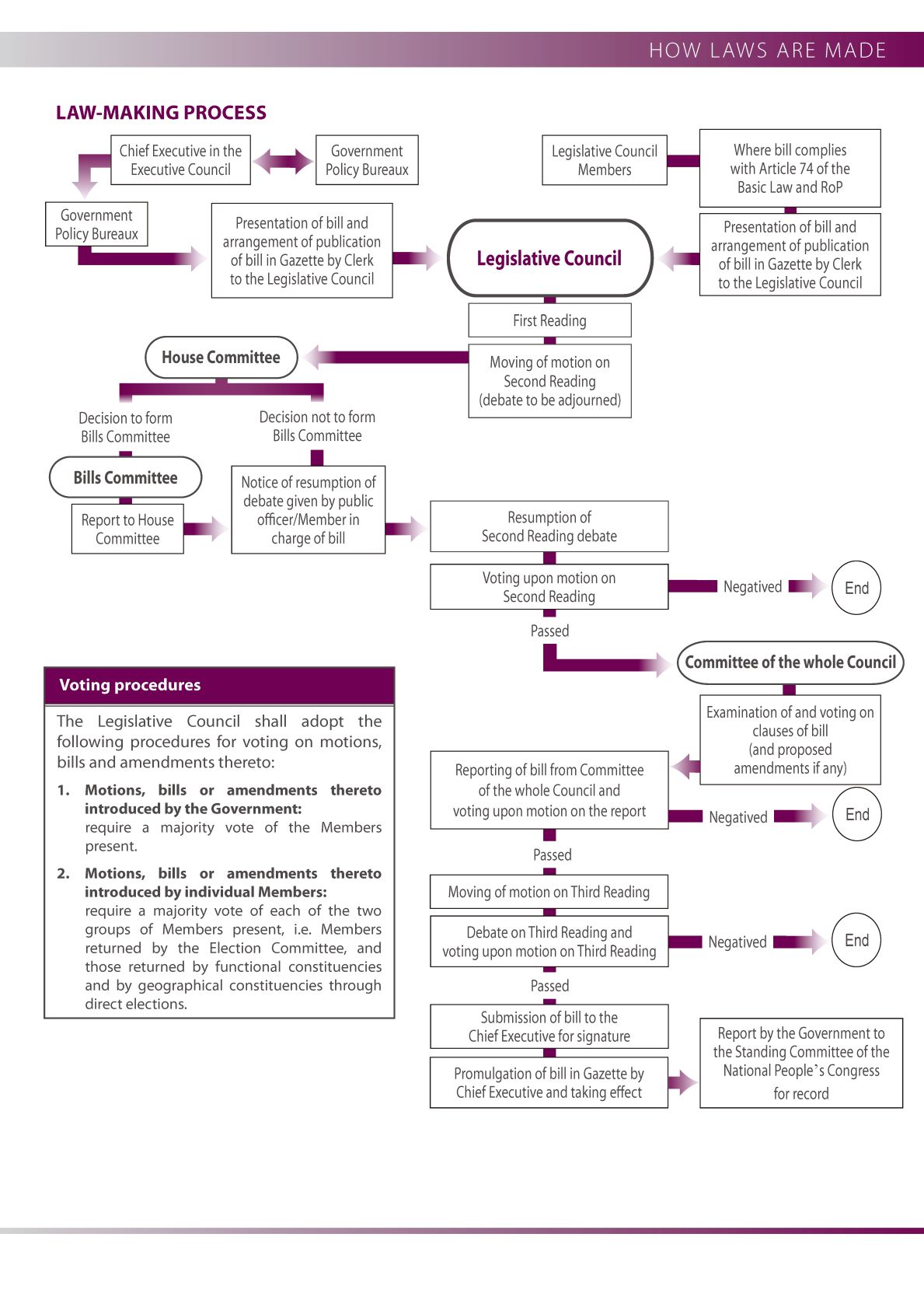
Overview
- The law making process begins with an idea, often from citizens, advocacy groups, or government agencies, which is then drafted into a formal bill.
- Bills are introduced by legislators in one of the legislative chambers (e.g., House of Representatives or Senate).
- They undergo rigorous review and amendment in specialized committees, where expert testimony and public input are often considered.
- After committee approval, bills are debated and voted upon by the full chamber where they originated.
- If passed, the bill moves to the other legislative chamber for a similar process of committee review, debate, and vote.
- Differences between the versions passed by each chamber are reconciled, usually by a conference committee, before a final version is voted on again by both chambers.
- The approved bill is then sent to the executive branch (e.g., President, Prime Minister) for assent or veto.
- If vetoed, the legislature may attempt to override the veto with a supermajority vote.
- Upon executive assent or an override, the bill officially becomes law, subject to potential judicial review.
Understanding the Law Making Process in Democracies
The journey of an idea becoming a law is a testament to the principles of representative democracy, involving multiple actors and stages to ensure thoughtful consideration and public consent. It’s a structured mechanism designed to prevent hasty decisions and allow for diverse perspectives to be heard. This iterative approach ensures that legislation is robust, reflects societal values, and addresses current challenges effectively. The process is not merely procedural; it is imbued with democratic ideals of participation, transparency, and accountability at every turn.
How Ideas Become Bills in Democratic Governments
The inception of a law often springs from a perceived societal need or a policy objective. These initial ideas can originate from a wide array of sources: individual citizens contacting their representatives, advocacy groups lobbying for specific changes, expert commissions identifying problems, or government agencies proposing solutions within their purview. Political parties also develop legislative agendas during election campaigns, which, if successful, they aim to enact into law.
Once an idea gains traction, it must be formalized into a draft bill. This drafting stage is critical, as it requires the idea to be translated into precise legal language, adhering to constitutional principles and existing legal frameworks. Legislative drafters, often legal experts within the government, assist legislators in this complex task. The draft bill will clearly define its purpose, scope, and proposed changes to existing law. For instance, in the US, a member of Congress will formally introduce a bill, marking its official entry into the legislative arena. This introduction requires a sponsor and often co-sponsors, signaling support for the proposed legislation.
The Legislative Journey of Bills
After introduction, a bill embarks on its often arduous legislative journey. In a bicameral legislature, common in many democracies including the US, the bill will typically be assigned to a relevant committee in the chamber where it originated. Committees are specialized bodies that allow for in-depth examination of proposed legislation. Here, members with expertise in specific policy areas scrutinize the bill, conduct hearings, gather public testimony, and propose amendments. This committee stage is vital for refining the bill, ensuring its practicality, and addressing potential flaws. A bill can be significantly altered, combined with others, or even die in committee if it fails to gain sufficient support.
If a bill successfully navigates the committee stage, it is then brought before the full chamber for debate. This floor debate provides an opportunity for all members to express their views, offer further amendments, and try to persuade their colleagues. Following debate, a vote is taken. If the bill passes in the originating chamber, it then moves to the second chamber, where it undergoes a similar process of committee review, debate, and vote. Should both chambers pass different versions of the same bill, a conference committee composed of members from both chambers is formed to reconcile the differences and create a unified version. This harmonized bill then must be approved by both chambers before proceeding.
The Role of Executive Approval in Democratic Governments
Once a bill has successfully passed through both legislative chambers in its final agreed-upon form, it is presented to the head of the executive branch for assent. This individual might be a President, Prime Minister, or other head of state, depending on the democratic system. The executive’s role at this stage is crucial, representing a key check in the law making process.
The executive typically has three options:
- Assent (Sign into Law): The most common outcome. By signing the bill, the executive officially enacts it, and it becomes a law, often taking effect immediately or on a specified future date.
- Veto: The executive may reject the bill if they disagree with its content, deem it unconstitutional, or find it contrary to national interest. A veto sends the bill back to the legislature, along with the executive’s objections. In systems like the US, a presidential veto is a powerful tool to block legislation.
- Allowing it to become law without signature: In many systems, if the executive does not sign or veto the bill within a specified period (e.g., 10 days in the US), and the legislature is still in session, the bill automatically becomes law.
Ensuring Accountability: Checks and Balances in Lawmaking
The entire democratic law making process is underpinned by a system of checks and balances designed to prevent the concentration of power and ensure accountability. This separation of powers, typically into legislative, executive, and judicial branches, means that each branch has distinct responsibilities and the ability to limit the powers of the others.
For example, a legislative veto can often be overridden by the legislature. In the US, Congress can override a presidential veto with a two-thirds majority vote in both the House and the Senate. This requires broad consensus and acts as a significant check on executive power. Furthermore, once a bill becomes law, its constitutionality can be challenged in the judicial system. Courts have the power of judicial review to strike down laws that are found to violate the constitution, providing a final safeguard against overreach or unconstitutional legislation. This multi-layered system ensures that laws are not only well-considered and representative but also adhere to the fundamental principles and rights enshrined in the nation’s constitution. The interplay between these branches—the legislative drafting and passing, the executive approval or rejection, and the judicial review—creates a robust framework that, while sometimes slow, aims for laws that are legitimate, effective, and just.
