
Meta description: Starting a small business? Learn about startup law, including choosing a legal structure, protecting your intellectual property, and ensuring compliance.
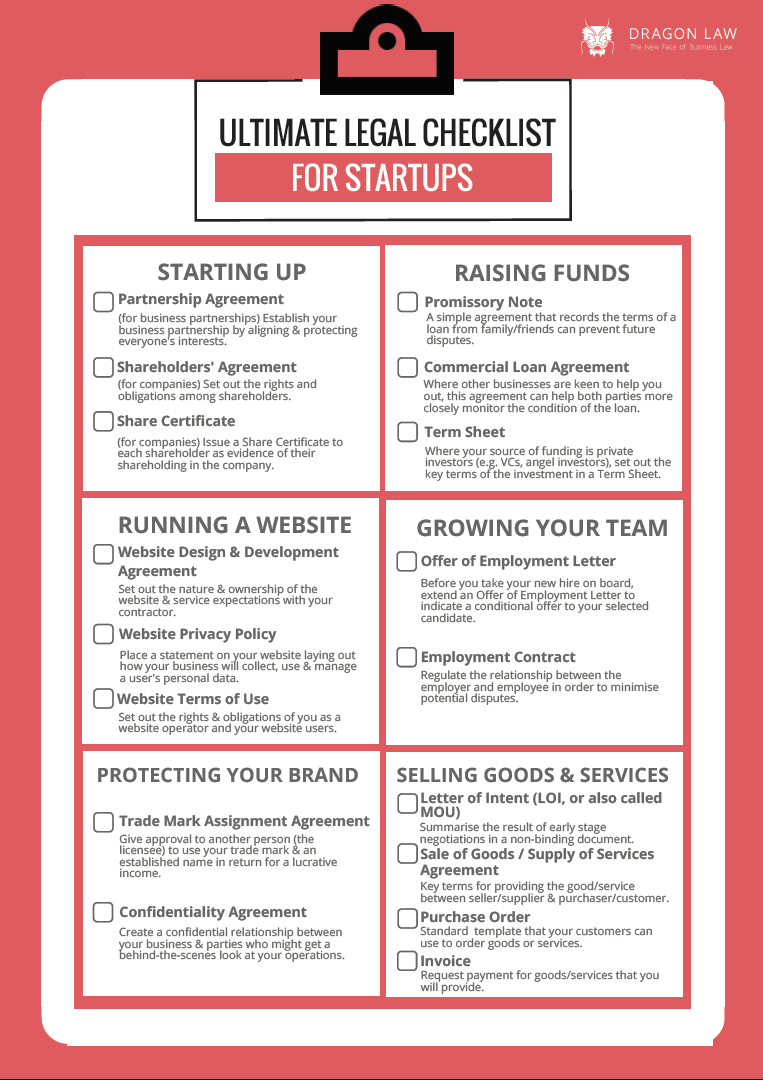
So, you’re ready to take the plunge and launch your own small business? That’s fantastic! But before you get caught up in logos, marketing, and product development, it’s crucial to lay a solid legal foundation. Many entrepreneurs overlook the legal aspects in the early stages, which can lead to costly problems down the road. Properly addressing these legal requirements from the outset is vital for long-term success and peace of mind.
Key Takeaways:
- Choosing the correct legal structure (sole proprietorship, LLC, corporation, etc.) impacts liability, taxes, and fundraising.
- Protecting your intellectual property (trademarks, copyrights, patents) is vital for establishing your brand and competitive advantage.
- Compliance with federal, state, and local regulations is necessary to avoid penalties and maintain a good reputation.
- Drafting clear and legally sound contracts protects your business interests in all your dealings.
Choosing the Right Legal Structure Under Startup Law
The first major legal step is selecting the appropriate legal structure for your business. This decision has significant implications for liability, taxation, and your ability to raise capital. Common options include:
- Sole Proprietorship: This is the simplest structure, where the business is owned and run by one person. There’s no legal separation between the owner and the business, meaning the owner is personally liable for all business debts and obligations. While easy to set up, it offers no liability protection.
- Partnership: Similar to a sole proprietorship but involves two or more individuals. Partners share in the profits or losses of the business and are generally jointly and severally liable for business debts. A well-written partnership agreement is critical to outline each partner’s responsibilities, profit-sharing arrangements, and dispute resolution mechanisms.
- Limited Liability Company (LLC): This structure offers a balance between simplicity and liability protection. An LLC shields the owner’s personal assets from business debts and lawsuits. It also provides flexibility in terms of taxation, allowing you to choose to be taxed as a sole proprietorship, partnership, or corporation. Many small businesses find the LLC to be a suitable option.
- Corporation (S Corp or C Corp): Corporations are more complex and are separate legal entities from their owners. They offer the strongest liability protection but also require more administrative overhead, including stricter reporting requirements. C Corps are subject to double taxation (at the corporate level and again at the shareholder level), while S Corps allow profits and losses to be passed through to the owners’ personal income without being subject to corporate tax rates. Corporations are often preferred when seeking venture capital or planning for significant growth.
We strongly recommend consulting with an attorney and accountant to determine the most appropriate legal structure for your specific circumstances. They can help you weigh the pros and cons of each option based on your business goals and risk tolerance.
Protecting Your Intellectual Property Under Startup Law
Intellectual property (IP) is a valuable asset for many businesses, and protecting it is crucial for maintaining a competitive edge. IP includes things like your brand name, logo, inventions, and creative works.
- Trademarks: Protect your brand name and logo by registering them as trademarks with the US Patent and Trademark Office (USPTO). This gives you exclusive rights to use those marks in connection with your goods or services, preventing others from using confusingly similar marks.
- Copyrights: Protect your original creative works, such as website content, marketing materials, and software code, by obtaining copyright protection. Copyrights automatically exist when you create an original work, but registering your copyright with the US Copyright Office provides additional legal benefits, such as the ability to sue for infringement.
- Patents: If your business involves developing new inventions, you should consider seeking patent protection. Patents give you the exclusive right to make, use, and sell your invention for a certain period of time. Obtaining a patent can be a complex and costly process, so it’s essential to consult with a patent attorney.
- Trade Secrets: Protect confidential information that gives your business a competitive advantage, such as formulas, customer lists, and manufacturing processes, as trade secrets. Unlike patents, trade secrets do not expire, but they must be kept confidential to maintain their protection.
Taking steps to protect your IP can significantly increase the value of your business and prevent others from unfairly profiting from your ideas.
Ensuring Compliance With Regulations and Licensing Under Startup Law
Starting a business involves complying with a variety of federal, state, and local regulations. Failing to comply with these regulations can result in fines, penalties, and even legal action.
- Business Licenses and Permits: Obtain all necessary business licenses and permits from the appropriate government agencies. These requirements vary depending on the type of business you operate and its location. Contact your local city hall or county clerk’s office to determine which licenses and permits are required.
- Federal Regulations: Comply with federal regulations relating to employment, taxation, and industry-specific rules. For example, if you hire employees, you’ll need to comply with federal labor laws, such as minimum wage and overtime requirements. We need to also comply with the IRS regulations on payroll taxes.
- State Regulations: Comply with state regulations relating to sales tax, unemployment insurance, and worker’s compensation. Each state has its own specific requirements, so it’s essential to research the laws in your state.
- Local Regulations: Comply with local regulations relating to zoning, building codes, and health and safety. Local regulations can vary significantly from one city or county to another.
Staying on top of regulatory requirements can be a challenge, but it’s essential for avoiding legal problems. Consider working with an attorney or compliance specialist to ensure that you meet all applicable requirements.
Drafting Solid Contracts Under Startup Law
Contracts are the foundation of many business relationships. Whether you’re dealing with customers, suppliers, employees, or partners, it’s essential to have clear and legally sound contracts in place to protect your interests.
- Customer Contracts: Develop standard contracts for your customers that outline the terms and conditions of your services or products. These contracts should address issues such as payment terms, delivery schedules, warranties, and liability limitations.
- Vendor Contracts: Establish written agreements with your suppliers that clearly define the goods or services they will provide, the price, and the delivery schedule. These contracts should also address issues such as quality control, warranties, and dispute resolution.
- Employment Contracts: Use employment agreements to define the terms of employment for your employees, including their responsibilities, compensation, benefits, and termination procedures. These agreements should also address issues such as confidentiality and non-compete clauses.
- Partnership Agreements: If you’re entering into a partnership, create a detailed partnership agreement that outlines each partner’s responsibilities, profit-sharing arrangements, and decision-making authority. This agreement should also address how disputes will be resolved and how the partnership will be dissolved if necessary.
Having well-drafted contracts can help prevent disputes and protect your business interests in the event of a disagreement. Always seek legal advice when drafting or reviewing important contracts. We hope the information above helps!
